History
DCHS Mission Statement
The Dawson County Historical Society is a non-profit educational institution whose mission is to promote a greater understanding of the history of Dawson County and south-central Nebraska. To this end, the DCHS collects, preserves, exhibits, and interprets history and its relationship to Nebraska and the wider world for the benefit of all ages and interests.
Vision Statement
The Dawson County Historical Society Museum is a place where the public can explore and learn about the past. With the unique history of Dawson County at our core, the DCHS seeks to promote a greater understanding of local and regional history and preserve it for future generations to learn and enjoy.
In the pursuit of this vision, the DCHS will:
- Collect, preserve, and exhibit historical documents, materials, and artifacts related to Dawson County and the history of south-central Nebraska.
- Encourage historical and genealogical research.
- Develop exhibitions that use historical materials to enrich and enlarge the public’s understanding and appreciation for local and regional history.
- Serve the diverse audiences of Dawson County through a wide range of programming and outreach.
- Promote pride in both individual and community heritage.
- Provide support for historic preservation programs throughout Dawson County.
- Foster a greater awareness of history and historical issues.
- Maintain mutually beneficial relationships and alliances with education institutions, the business community, local museums and historical groups, government and other community groups.
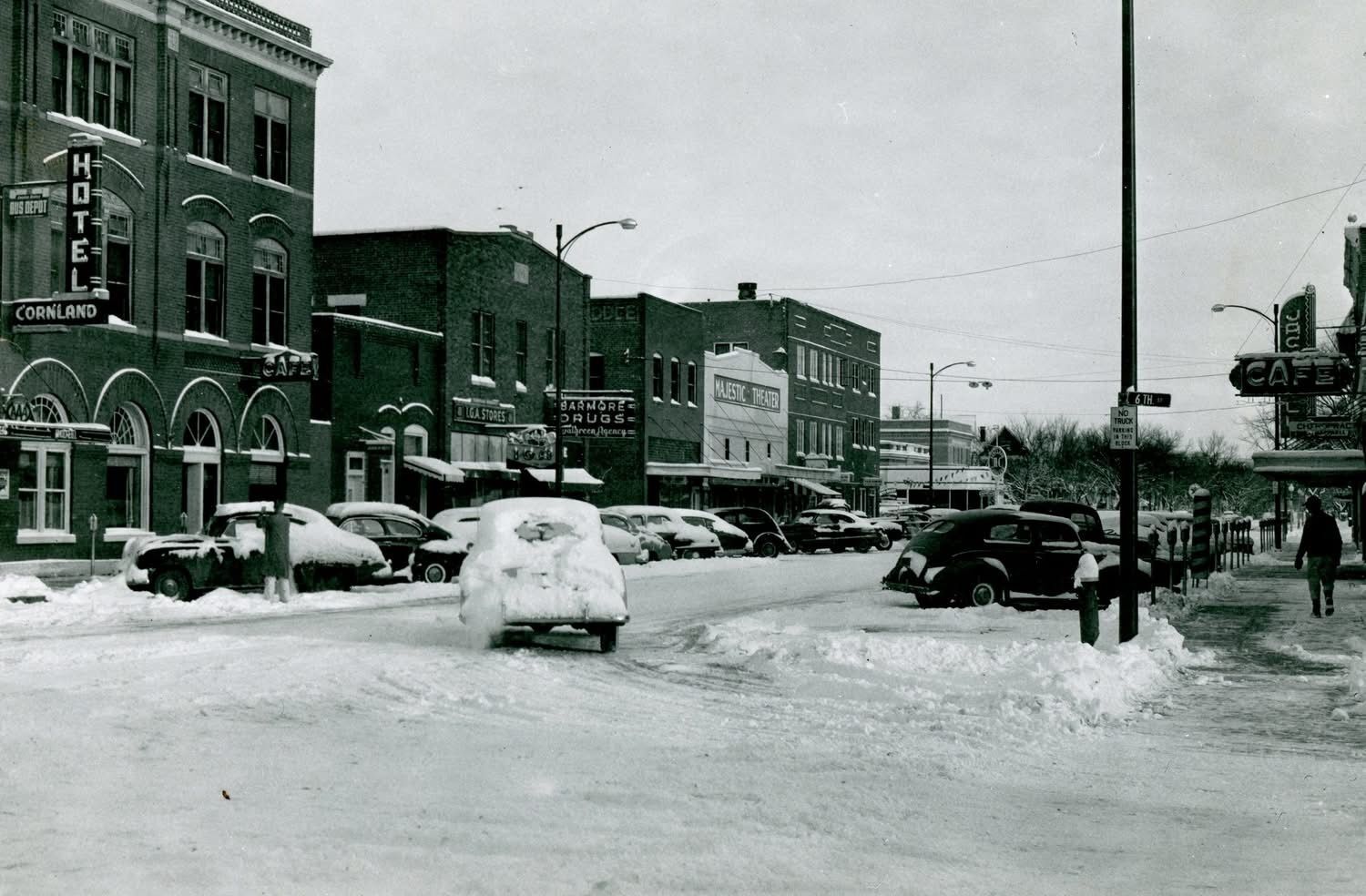
The Dawson County Historical Society was founded by a group of concerned citizens at the Cornland Hotel on August 19, 1958. The stated purpose was to gather and preserve items related to the history of Dawson County and the State of Nebraska. Early milestones included the dedication of the District #55 Schoolhouse by the Reed family in 1959, formal incorporation as a non-profit corporation in 1963, and the donation of land by the Harley Kirkpatrick family for the future establishment of a museum.
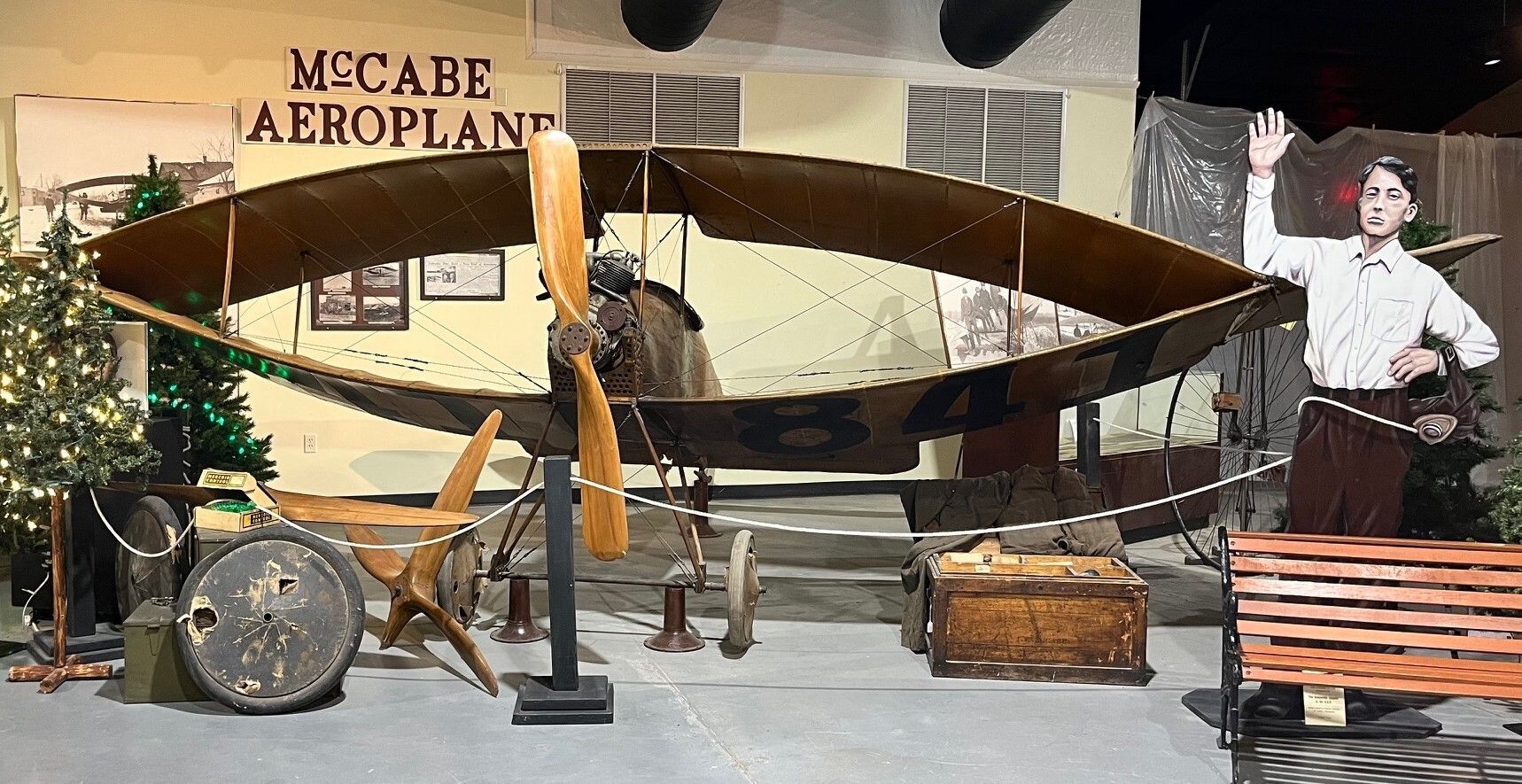
Throughout the 1960s and 1970s, the Society worked tirelessly to build and expand a museum campus. Groundbreaking for the original museum took place in 1967 with construction concluding two years later. Meanwhile several historical buildings were added to the museum grounds, including the Willow Island Train Depot in 1969, the Reed School house was moved from its location in Kirkpatrick Memorial Park to the museum grounds in 1971 and the Lebs-Kinzli log house in 1971. Shortly afterwards the museum began to acquire large items such as the McCabe Aeroplane which was donated to the Dawson County Museum in September of 1971 and then in 1972 an outdoor shelter was built for a 1936 International Firetruck that had been used by Lexington’s Fire Department. In 1980 The Union Pacific Baldwin #485 Locomotive that had been sitting in a park along Highway 30 was also brought to the Museum grounds. Additional renovation projects from 1972-1975 added more space to the museum along with a 5,000 sq. foot standalone agriculture display building in 1977.
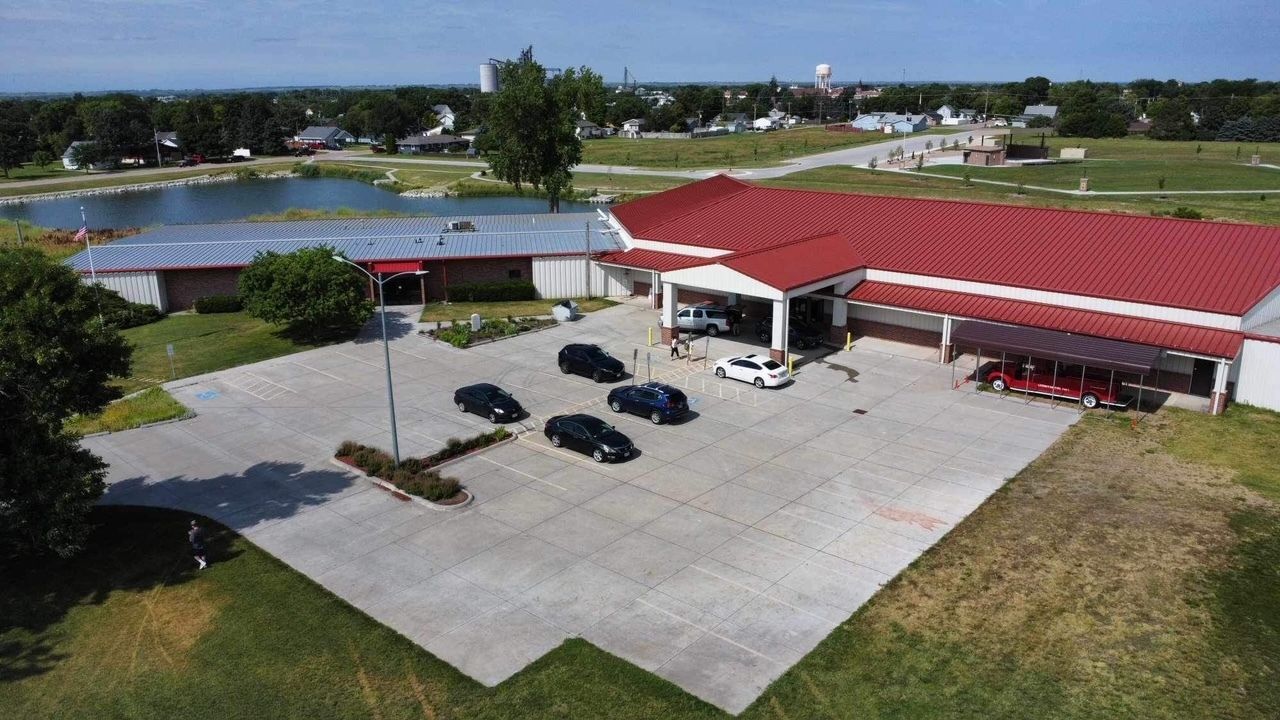
In 2005 construction began on an addition that would bridge the existing museum and the separate agriculture building, which was known as Phase I, and was completed in 2007. Phase II, would be the renovation of the original museum building, however, poor project oversight caused the cessation of work just after the start of the Phase II renovation. As a result, the original museum building was left in an unusable state for exhibit space and is now only used as storage.
Since then, the Dawson County Historical Society and Museum continues to expand its exhibits and bring new programs to the public. The large main gallery can be used for meetings and events for organizations as well as a wedding venue. The art gallery has also been used as a smaller space for organizational meetings and events.
While Phase II remains in the back of everyone’s mind as something that needs to be accomplished, a time frame has not been set for it. Until then the Dawson County Historical Society and Museum will continue collecting and educating others about the history of Dawson County and its surrounding communities in its most fun and entertaining way possible.